
In B2B logistics, the “last mile” isn’t just the final step. It’s the step that decides whether your customer gets a smooth handoff—or a costly escalation. And as we head into 2026, that final leg is changing fast.
Between tighter delivery windows, higher expectations for transparency, rising complexity around inventory placement, and a renewed push toward resilient operations, B2B shippers are rethinking how they design local distribution networks. One theme is getting louder: speed matters—but control matters more.
Below are the most important 2026 last-mile and dedicated delivery trends—and the practical moves that help B2B teams stay ahead.
1) Dedicated capacity makes a comeback (but smarter)
After years of whiplash in transportation capacity, more shippers are leaning into private/dedicated fleets—not as a replacement for carriers, but as a stabilizer for the lanes and customers that can’t afford surprises. Descartes points to dedicated capacity returning to focus and describes the direction many operators are taking: a hybrid model that preserves flexibility while securing dedicated assets where service levels are most sensitive.
What this means in 2026:
Dedicated delivery won’t be “all or nothing.” Expect more blended strategies:
- Dedicated routes for recurring stops, tight time windows, and high-value cargo
- On-demand capacity for overflow, exceptions, and surges
- Scheduled delivery for predictable weekly volume
How to apply it:
Create a shortlist of customers/lanes that meet at least 2 of these:
- strict appointment windows
- repeat frequency
- high cost of failure (chargebacks, downtime, SLA penalties)
- sensitive handling (electronics, fragile components)
Those are your dedicated-delivery candidates.
2) Real-time visibility becomes table stakes (and predictive visibility becomes the differentiator)
“Where is it?” is no longer the question. The real question is:
“Will it arrive on time—and what should we change right now to make sure it does?”
Gartner highlights that last-mile developments are heavily tied to automation and collaboration that optimize operations and improve customer experience.
This is showing up across B2B as:
- customer-facing tracking pages and proactive notifications
- proof-of-delivery workflows that reduce disputes
- predictive ETAs that help teams prevent failures before they happen
How to apply it:
Define a visibility standard for your operation:
- live ETA updates for every stop
- digital POD with timestamp + recipient details
- exception alerts (late pickup, traffic risk, failed attempt)
- KPI dashboard by customer (on-time %, dwell time, claims)
3) AI moves from “nice tool” to “daily operations engine”
By 2026, AI isn’t just planning routes—it’s helping teams make faster decisions in the middle of the day. DHL specifically calls out AI’s growing role and “autonomous decision-making” in logistics workflows.
In last-mile operations, AI is being used to:
- optimize routes dynamically when conditions change
- predict delivery risks (traffic, failed attempts, theft-prone areas)
- automate customer communications at scale
Business Insider also notes AI’s potential to improve the expensive, complex last mile through route optimization and predictive analytics.
How to apply it:
Don’t start with “AI.” Start with one operational pain:
- too many late stops after 3pm
- too many re-deliveries
- too many manual status calls
Then implement:
- dynamic routing + exception rules
- proactive notifications + self-serve tracking
- automated escalation paths (when to dispatch a rescue, swap vehicle, reroute)
4) Network design shifts: more regionalization, more “inventory closer to demand”
The most successful B2B delivery operations in 2026 will be the ones that reduce the number of “hero runs” needed to save the day.
Expect more:
- regional stocking points
- micro-fulfillment / local staging for fast-moving SKUs
- split inventory strategies (core stock centralized, fast movers decentralized)
SAP notes trends like micro-fulfillment and collaborative models to improve efficiency in the last mile.
How to apply it:
For your top 20% SKUs that drive the majority of urgent orders:
- stage closer to where demand spikes
- design scheduled “milk runs” for replenishment
- keep on-demand vehicles reserved for exceptions and critical needs
5) Reliability wins contracts (not just speed)
In B2B, late deliveries aren’t an inconvenience—they can stop production, delay installs, or disrupt store operations.
McKinsey’s work on delivery preferences highlights that reliability and the overall delivery experience are crucial as costs rise and expectations evolve.
Translate that into B2B reality and the message is clear: consistent performance beats occasional speed.
How to apply it:
For 2026, build offers around outcomes:
- “98%+ on-time to appointment windows”
- “zero-blind-spot visibility”
- “2-hour exception resolution SLA”
Speed is a feature. Reliability is the product.
6) Dedicated delivery becomes a customer experience strategy
Dedicated delivery isn’t only about trucks—it’s about trust.
When a customer gets the same type of service every time (consistent handling, consistent ETA accuracy, consistent POD process), they reduce internal firefighting.
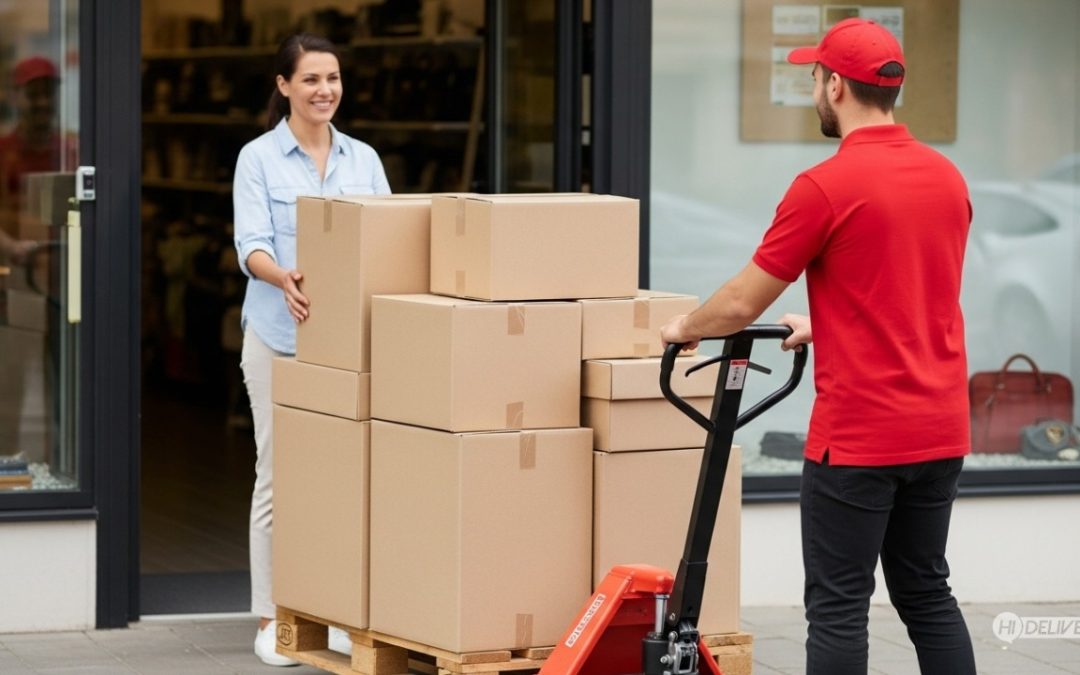
That’s why dedicated + scheduled delivery models are growing in B2B:
- repeat store replenishment
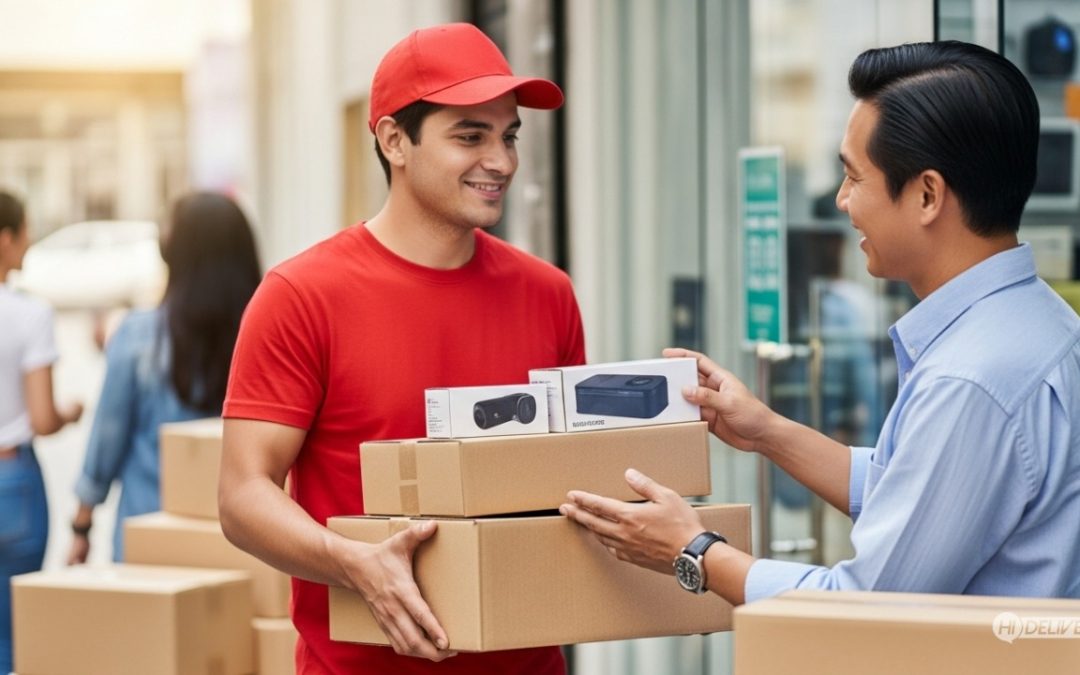
- electronics distribution
- service parts and urgent replacement components
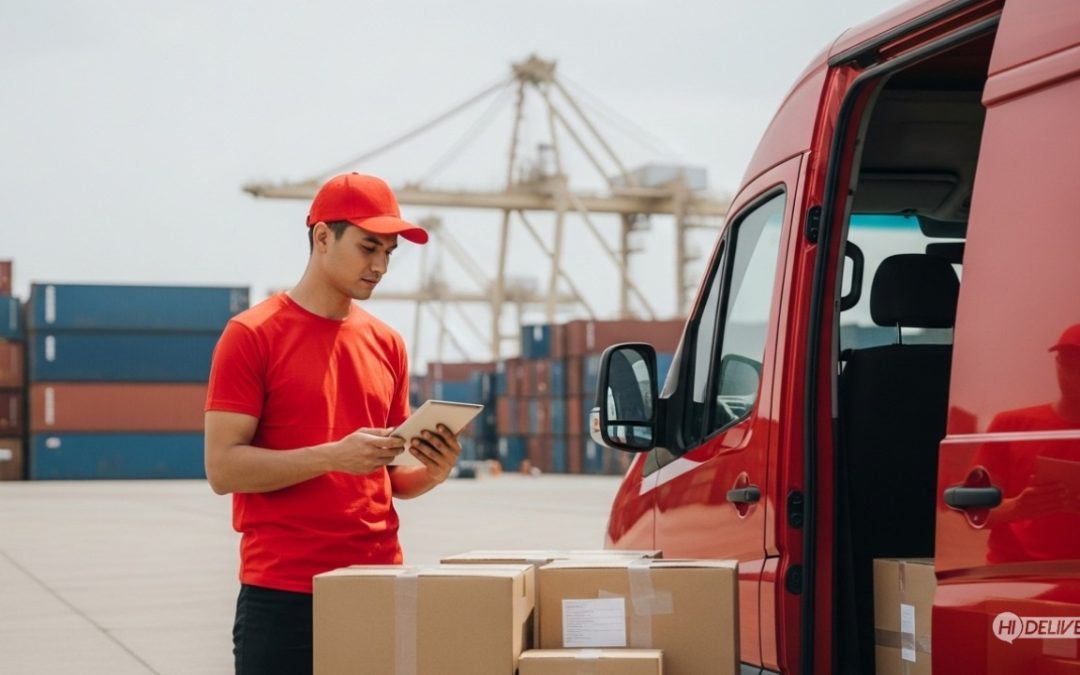
- forwarder handoffs from port/airport to DC
How to apply it:
Turn dedicated delivery into a branded experience:
- standardized pickup/delivery checklists
- scan events at every handoff
- consistent POD package and naming (so receivers can reconcile quickly)
7) Sustainability becomes operational (not just branding)
In 2026, sustainability pressure shows up through customer scorecards, vendor requirements, and efficiency expectations. DHL flags sustainability as a growing priority in logistics.
For last mile, the fastest “sustainability wins” are operational:
- tighter routing
- higher stop density
- fewer failed deliveries
- smarter vehicle fit for each job (don’t overspend on oversized capacity)
How to apply it:
Track these 3 metrics:
- first-attempt success rate
- miles per stop
- delivery time-in-window %
Those three often improve margins and reduce emissions.
What HiDeliver is building for 2026
If you’re planning your 2026 playbook now, the best move is partnering with a provider that can support a hybrid model:
- Scheduled delivery for predictable lanes
- On-demand delivery for urgent moves and surges
- Dedicated delivery for service-critical customers
- Real-time visibility so your team (and your customer) always knows what’s happening
If you want to pressure-test your Q1–Q2 2026 plan, HiDeliver can help you map:
- where dedicated delivery saves money vs. adds cost
- what service tiers you should offer customers
- what visibility and SLA targets will win renewals
Create a free account or book a free consult: https://wa.link/9xuxtj